
Where democratic thinking gets examined properly
Crykento Bolomas runs structured seminars on democratic management — not as a slogan, but as a practical discipline worth studying carefully.
Founded in Zhytomyr in 2020, the platform was built around one observation: that most discussions of democratic governance stay at the surface. Participants leave with impressions rather than frameworks. Our seminars are built to go further — through case analysis, structured peer debate, and real institutional examples drawn from regional and international contexts.

The team behind the seminars
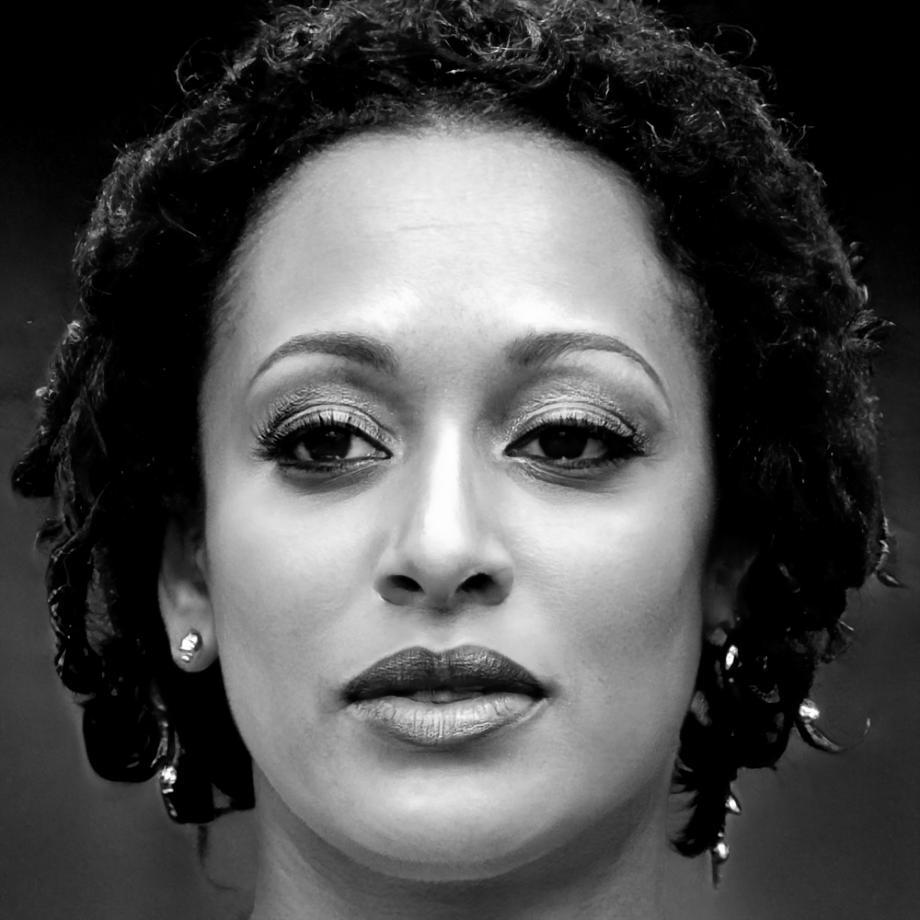
Daryna has spent eight years studying deliberative democracy in post-Soviet institutional contexts. She leads the analytical sessions and designs the case frameworks used across all seminar modules.

Bohdan draws on a background in public administration and political sociology. He selects source materials, manages the reading schedules, and facilitates the peer review components of each seminar.
Vasyl manages participant interaction between live sessions — coordinating asynchronous discussion threads, sourcing regional policy examples, and keeping seminar groups on track between meetings.
How the platform developed
A pilot program of four sessions on participatory governance ran with an initial group of Zhytomyr-based participants, testing the structured debate format.
The seminar model shifted fully online, which made it possible to include participants from across Ukraine and opened access to comparative international case studies.
Based on participant feedback and facilitator research, the program grew to cover a broader range of democratic management topics — from electoral system design to deliberative mini-publics.
Participants now join ongoing cohorts rather than isolated sessions, allowing for deeper discussion continuity and richer peer-to-peer exchange across seminar topics.
Four ideas that shape every session
Each seminar at Crykento Bolomas is structured around these operating principles — not aspirational statements, but actual design constraints that determine how sessions are built and run.

Participants are expected to reason publicly — stating positions with supporting arguments, then engaging with counterarguments rather than restating their original view.
Facilitators do not hold all the analytical weight. Each cohort develops shared responsibility for the quality of discussion through structured rotating roles.
Session plans, assessment criteria, and source selection rationale are shared with participants in advance — the curriculum is not a black box.
Participants give and receive structured peer feedback after each module. This keeps the quality of engagement visible and creates a basis for genuine improvement across sessions.
What participants take away
- Familiarity with core models of democratic governance — from consensus systems to competitive pluralism
- Analytical tools for evaluating institutional design choices in real policy contexts
- Practice in structured argumentation and critical response under facilitation
- A peer network of people who take these questions seriously